29 Rakkomandazzjonijiet Sommarju The Dijanjosi, Trattament U Follow-up Of Lupus Nephritis
Apr 07, 2023
Lupus nephritis (LN) is kliewi ħsara caused by systemic lupus erythematosus (SLE). The complete remission rate of the existing induction therapy for proliferative lupus nephritis is low, and lupus nephritis is low, and lupus nephritis is prone to relapse. It is important to diagnose and treat lupus nephritis scientifically and standardizedly1. In recent years, new biomarkers and new drugs for LN have emerged, li have brought about significant changes in the dijanjosi, trattament, u follow-up of LN.

Ikklikkja to cistanche herba for kliewi marda
Fuq Marzu 22, 2023, the Spanish glomerular disease expert team announced the latest LN guidelines, mainly summarizing the diagnosis, treatment, treatment, and follow-up of LN. This article summarizes them and forms 29 suggestions for readers.
1 . Dijanjosi
1) The diagnosis of SLE should be based on disease characteristics and signs, and be classified according to the 2019 EULAR/ACR criteria.
2) Serum creatinine, estimated glomerular filtrazzjoni rate (eGFR), and urine should be tested regular in SLE patients, especially urinary albumin-to-creatinine ratio (UACR) and/or urine protein-to-creatinine ratio (UPCR). For SLE patients with active SLE, positive serum markers, and non-Kawkasu race, the above examinations should be com.more frequently, at least once or twice a year.
3) Most LN pazjenti have no obvious clinical symptoms and can only be diagnosed by laboratory tests. In addition, patients with SLE should pay special attention to edema and/or new-onset hypertension.
4) Diagnosis and classification of LN require renal biopsy and evaluation by a nephropathy pathologist. Renal biopsy should be performed in patients with SLE complicated with proteinuria (>0.5g/24h or UPCR>0.5g/g), Hematuria, Urinary Leukocytosis, and/or Unexplained Renal impairment. In Patients mingħajr proteinuria, but with urinary sedimentation and/or Renal impairment, Rule out other causes of renal impairment before performing a renal biopsy.
2. Trattament
1. Effikaċja standards u għanijiet
It- trattament kriterji għal LN huma complete remission, partial remission, non-remission, and relapse, and specific definitions of these criteria are as follows:
Imla remissjoni: proteinuria Less than or equal to {{{0}}.5g/24h or UPCR Less than or equal to 0.5g/g; no urine deposition ( Less than or equal to RBC/hpf); serum albumin Greater than or equal to 3.5g/dL; normal eGFR or a decrease rate of Less than or equal 10 percent from baseline.
Parzjali remissjoni: urine protein between {{{0}}.6~3.5g/24h or UPCR between 0.6~3.5g/g; partial urine deposition ( Less than or equal 10 RBC/hpf), serum albumin Greater than or equal to 3.0g/dL; eGFR normal or better than baseline Decline rate Less than or equal to 25 percent .
Nuqqas ta' rispons: Pazjenti li do not jikkwalifikaw għal a complete or partial response.
Relapse: hematuria, microscopic or macroscopic hematuria, and increased urine deposition (>15 RBC/hpf); żieda urinary protein, pazjenti with complete remission: urinary protein Greater than or equal 1g/24h or UPCR Greater than or equal 1g/g; patients with partial remission, urinary protein An increase of Greater than or equal to 50 percent from baseline; a decrease in eGFR of Greater than or equal 25 percent .

L-għan ta ' trattament għal kollha LN pazjenti huwa komplut remissjoni.
2. Drug selection for differenti types of LN patients
Għal inizjali trattament għal pazjenti with type I/II LN, and for patients with grade I LN, hydroxychloroquine can be used for extrarenal symptoms.
Għal pazjenti bi grad II LN with proteinuria Less than or equal to 1 g/24h and normal urine deposition, the treatment plan for patients with grade I LN can be rereferred to.
Għal pazjenti bi grad II LN li jirċievu ACEI/ARB therapy but still have proteinuria > 1 g/24h and/or urine deposits showing hematuria, it is recommended to undergo renal biopsy again. If the patient still has grade II LN, steroids and mycophenolic acid analogs (MPAA) should be added on the basis of conventional treatment for 6-12} months, and the individual dose should be adjusted according to il pazjent's kundizzjoni, u id-doża għandu jkun gradwalment imnaqqas.
Inizjali trattament għal pazjenti bi tip III/IV±V LN
Initial treatment for all patients with III/IV±V LN should include steroids or other immunosuppressants. Intravenous injection of methylprednisolone ({{0}} mg/d, for 3 consecutive days) is preferred, and then the dose is gradually reduced, and oral prednisone (0.5-0.6 mg/kg/d) or equivalent hormones are chosen.
Għal pazjenti ma proteinurja <3g/24h, good compliance, infertility (or no need for fertility), contraindications or intolerance to cyclophosphamide, hormone + MPAA can be used for dual initial immunosuppressive therapy.
Għal pazjenti ma proteinurja <3g/24h, low treatment compliance, MPAA contraindications or intolerance, steroids + intravenous cyclophosphamide can be used for dual initial immunosuppressive therapy. After the sixth dose of cyclophosphamide, treatment with MPAA (or azathioprine if MPAA is not tolerated) can be started.
Pazjenti bi proteinurja mhux imnaqqas 25 fil-mija ta linja bażi wara 2–3 xhur of kortikosterojdi plus MPAA/cyclophosphamide should be added to belimumab (if extrarenal sintomi jippersistu) jew calcineurin inhibitors ( CNI, if proteinuria is high and persistent).
Għal dawk li jissodisfaw ir-rekwiżiti ta ' proteinurja <3g/24h, good compliance, infertility (or no need for fertility), or cyclophosphamide contraindications or intolerance, accompanied by strong SLE extrarenal clinical symptoms, or need to be reduced rapidly Patients with glucocorticoid dosage should be treated with corticosteroid + MPAA + belimumab triple therapy.
Għal pazjenti with proteinuria > 3g/24h or severe nephrotic syndrome, in the case of eGFR Greater than or equal to 45ml/min/1.73㎡, hormone plus MPAA CNI triple therapy can be used.
Għal pazjenti with rapidly ddeterjorat renal funzjoni, all the above-mentioned regimens can be used, but when the patient's eGFR is <45ml/min/1.73㎡, CNI should be avoided.
Inizjali terapija għal pazjenti bi tip V LN
Għal pazjenti ma proteinurja <1g/24h, hydroxychloroquine can be used for treatment.
Għal pazjenti with proteinuria of 1.0-3.5g/24h, steroid plus CNI therapy can be used. If the proteinuria not decreased to 25 percent of the baseline after 3-4 months of treatment, MPAA should be be added.
For patients with proteinuria > 3.5g/24h, hormone plus CNI plus MPAA therapy should be used.

Għal pazjenti li kisbu partial or complete remission, low-dose corticosteroids (such as prednisone 2.5-5 mg/d) should be used for maintenance therapy. For patients with remission of clinical symptoms and serological indicators, it is recommended to stop using them after 18-24 months of the hormone.
For patients with remission of clinical symptoms and serological indicators, it is recommended to gradually reduce the dose of MPAA after 18-24 months of treatment, and the total course of MPAA treatment should be at least 3-5 years.
Għal pazjenti li ma jistgħux jittolleraw MPAA, it is huwa rakkomandat għal użu azathioprine (1.5-2 mg/kg/d) for maintenance therapy, and the reduction regimen and the total course of treatment are similar to MPAA.
Għal pazjenti li huma intolleranti għal hydroxychloroquine and/or ormoni, have recurrent or persistenti extrarenal clinical symptoms, and/or anormali serological indicators, belimumab is recommended as maintenance therapy.
Għal pazjenti with type V LN who are treated with hormone plus CNI, the reduction regimen of hormones can refer to 5.1. For patients who use CNI, it is recommended to maintain the treatment for 12-18 months. If complete remission, gradwalment reduce the dose within reduce the dose within 6 to 12 months; if partial remission or significant proteinuria, then gradwalment reduce the dose within 12 to 18 months.
Trattament with ACEI/ARB is recommended to maintain blood pressure and proteinuria. If ACEI/ARB cannot control proteinuria, SGLT-2i can be used.
3. Segwitu
1) Extrarenal clinical manifestations are very important for LN patients, and the systemic lupus erythematosus disease activity index (SLEDAI) scoring system should be recommended to monitor these clinical manifestations.
2) For LN patients, proteinuria, urine deposition, serum creatinine, and eGFR are important parameters for evaluating disease development and treatment effects.
3) Some non-SLE factors (Table 1) can affect proteinuria, urine deposition, and renal function. For patients with SLE recurrence or other chronic diseases, careful evaluation should be performed.
4) Hemm bħalissa le kunsens on repeat renal biopsy in patients with LN. For patients with refrattarju LN and persistent proteinuria, repeat renal biopsy may be considered. Repeat renal biopsy may be be considered in some patients with suspected renal disease unrelated to SLE and before disstopinuation of immunosuppressive agents.
kif jagħmel ci
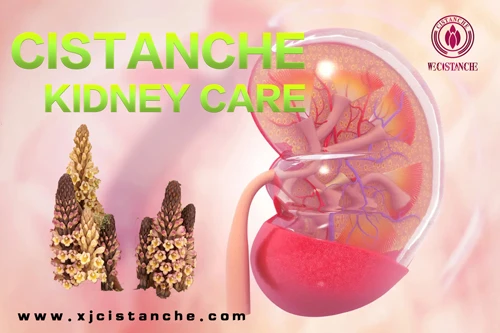
Cistanche kien kien tradizzjonalment użat in Ċiniż mediċina biex għajnuna appoġġ kliewi saħħa u tittratta kliewi mard. It fih diversi attivi komposti li kienu magħrufa biex jipprovdu kliewi protezzjoni u appoġġ, talb as echinacoside u acteoside. Dawn komposti għajnuna biex jitjiebu demm ċirkolazzjoni in klimu l-kliewi kliewi, reduce in in l-ossidattivi stress, u jistimulaw ir-riġenerazzjoni ta' bil-ħsara kliewi kliewi tnaqqis kliewi u ossidattivi stress, u jistimulaw ir-riġenerazzjoni ta ' bil-ħsara kliewi ċelloli. Addizzjonalment, cistanche għandu dijuretiku proprjetajiet li għajnuna biex żieda awrina produzzjoni u flush out tossini minn il kliewi.
referenzi:
1. Zhang Hui, Yang Niansheng, Lu Jing, et al. Standards for Diagnosis and Treatment of Lupus Nephritis. Chinese Journal of Internal Medicine, 2021,60(9): 784-790
2. Jorge E Rojas-Rivera, Clara García-Carro, Ana I Ávila, et al. Diagnosis and treatment of lupus nephritis: a summary of the Consensus Document of the Spanish Group for the Study of Glomerular Diseases (GLOSEN). Clinical Kidney Journal . 22 Mar, 2023. sfad055.